Summary
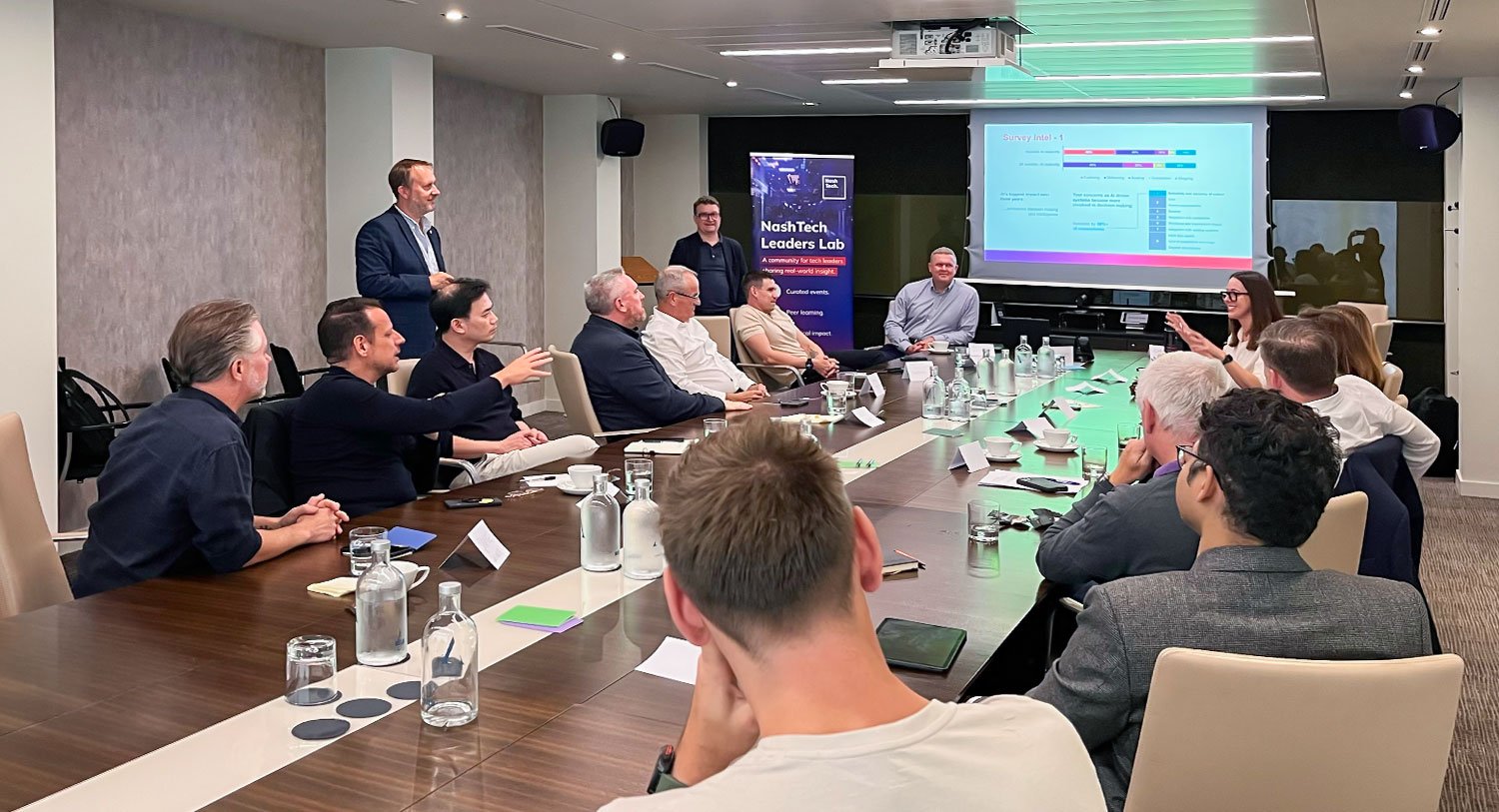
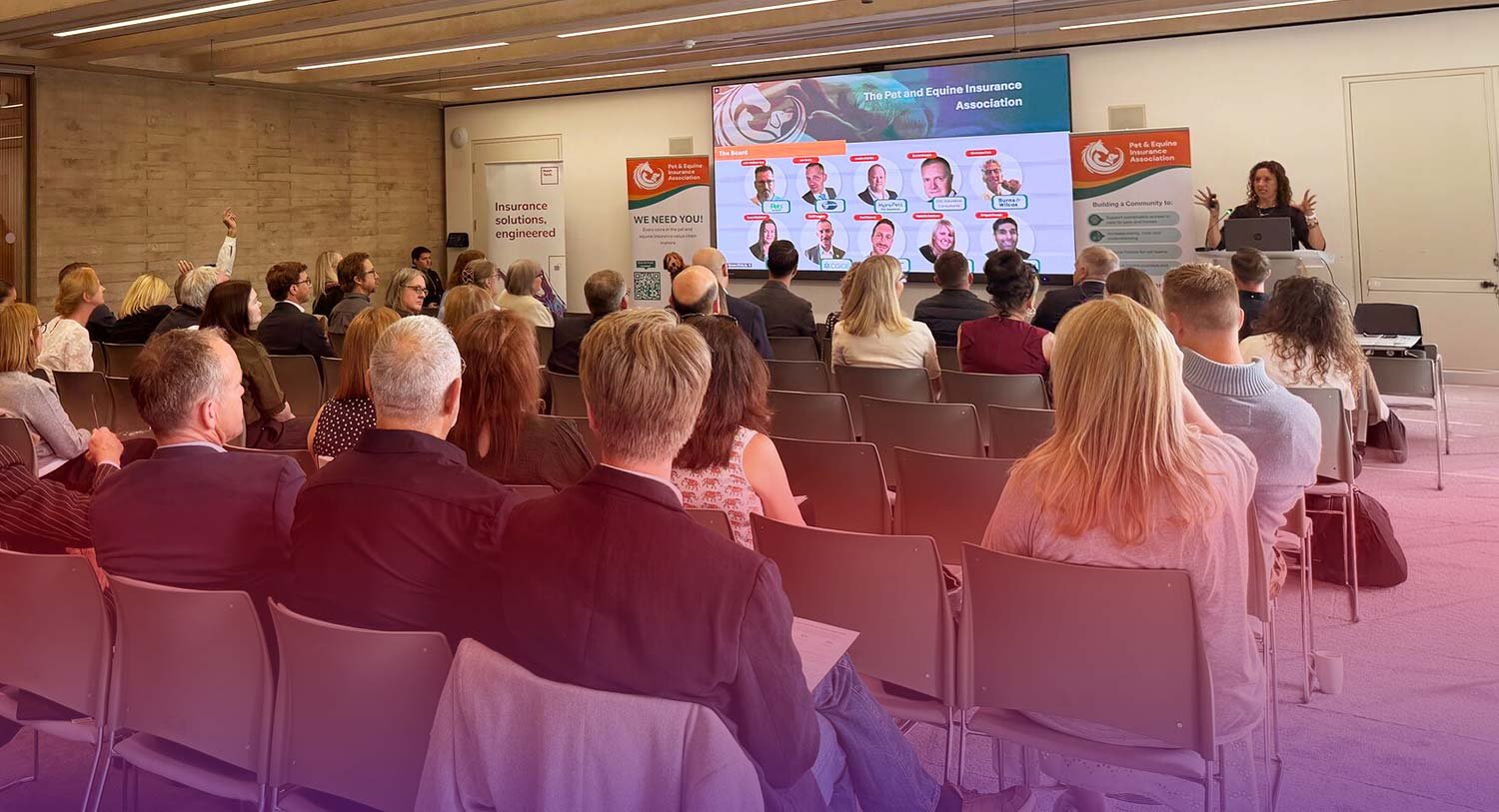
On 10 June 2026, the Pet and Equine Insurance Association (PEIA) brought together insurers, brokers, veterinary professionals, technology providers and legal experts in London for a full-day forum on one of the most significant shifts facing the sector: how artificial intelligence is reshaping the journey from the veterinary clinic to the insurance claim.
Overview
On 10 June 2026, the Pet and Equine Insurance Association (PEIA) brought together insurers, brokers, veterinary professionals, technology providers and legal experts in London for a full-day forum on one of the most significant shifts facing the sector: how artificial intelligence is reshaping the journey from the veterinary clinic to the insurance claim.
Sponsored by NashTech, the day combined frontier thinking with practical, grounded experience from across the pet and equine insurance market.
The result was a genuinely rare conversation with chief executives, clinicians, legal experts and technologists in one room, disagreeing productively and thinking out loud about a future none of them can navigate alone. This overview shares the themes and the standout moments for a wider audience: partners, prospective members, the media and anyone with a stake in where this industry is heading.
About PEIA
The Pet and Equine Insurance Association is a collaborative industry body dedicated to the long-term sustainability of pet and equine insurance. It brings together insurers, MGAs, brokers, veterinary professionals and service providers to build a more transparent, accountable and consumer-focused insurance ecosystem. PEIA advocates for fair pricing, improved industry standards and responsible pet and equine ownership, working with stakeholders to address the rising cost of veterinary care, educate consumers and promote preventative care.
Two visions of the same future
The day opened at the frontier. Nigel Phillips, CEO of CDL - the platform behind a large share of UK insurance transactions - set out a vision of an AI-native world in which the customer’s “front door” is moving. Call centers and web journeys, he argued, are giving way to intelligent agents that research, compare and arrange cover on a consumer’s behalf, and the businesses that thrive will be the ones those agents can find and talk to. To anyone inclined to think this is years away, he offered a memorable challenge.
| “It’s not going to happen overnight - because it happened last night. This stuff is real. It’s here.” - Nigel Phillips, CEO, CDL |
Set against that horizon-gazing was a more grounded, foundation-first perspective from NashTech’s Chris Weston, who brought the room back down to earth with a statistic that framed the whole day: while around three-quarters of organisations have piloted AI, only a tiny fraction have moved it into genuine production. The gap between an exciting proof of concept and dependable, real-world delivery, he argued, is where most of the hard work and most of the value - actually lives. The honest tension between these two views, the visionary and the pragmatist, was precisely what made the conversation worth having.
Voices from across the value chain
What set the forum apart was the breadth of expertise in the room - each speaker illuminating a different stretch of the journey from clinic to claim:
• On the future of insurance: Nigel Phillips (CDL) made the case that AI agents will collapse the traditional silos between motor, home, pet and equine cover, pushing the market toward joined-up, household-level protection that is proactive rather than reactive.
• On veterinary care: Etienne Legangneux, CEO of VetAI, showed how AI triage — always with a vet in the loop - is widening access to affordable care and changing the economics of claims, while Dr Adele Williams-Xavier (CoVet) gave a candid, clinic-level reality check on where AI genuinely helps today and where “shadow AI” quietly creates risk.
• On ethics and safety: Nichole Drury (VetEdAI) made the case for why healthcare AI must be treated differently - some decisions are irreversible - and why “augmentation, not automation” has to be the governing principle.
• On law and regulation: Kay Chand and Philip James of Browne Jacobson mapped the fast-moving legal landscape, from FCA priorities and the CMA’s veterinary review to the data governance and cybersecurity questions that determine whether AI succeeds or backfires.
• On strategy to delivery: Chris Weston from Nashtech set out how to move from pilot to production responsibly - noting that while most organisations have piloted AI, very few have scaled it - and urged building the data foundation first.
• Ethics, accountability and the human cost: Mark Hankin from Nashtech took the second half, drawing the ethical line clearly and distinguishing what regulation permits from what an organisation should actually choose to do.
What united the day was a shared recognition that AI is both a pressure and an opportunity: capable of improving access to veterinary care, sharpening underwriting and accelerating claims, while raising fresh questions around reliability, data protection, accountability and cost.
| “The whole point is to cut through the noise of AI and come back to the compassionate aim everyone shares - better outcomes for animals and their owners.” - A theme echoed throughout the forum |
What we heard
Across the day’s sessions - spanning AI-enabled veterinary triage and clinical record-keeping, the ethics and safety of healthcare AI, the legal and regulatory landscape, and the practical realities of moving from strategy to delivery - a consistent set of conclusions emerged:
• Start with the practical wins. The clearest value today lies in the less glamorous work - automating admin, summarising documents and retrieving information - with the most sensitive clinical and customer-facing decisions approached last and with care.
• Data comes first. Well-governed, accessible data is the foundation on which everything else depends; it is the most common reason AI initiatives succeed or stall.
• Keep people in the loop. Speakers consistently described AI as a tool to support professional judgement, not replace it - “augmentation, not automation,” particularly where decisions are complex, high-value or irreversible.
• Accountability stays with people. Veterinary professionals retain their clinical responsibility, and insurers and brokers retain their regulatory obligations, however much AI is deployed.
• Mind the wider context. Evolving regulation, consumer protection duties and a fast-changing market all shape how AI can responsibly be used in this sector.
Why this conversation needs PEIA
No single insurer, broker or veterinary group can navigate a shift this large on its own. The questions AI raises - about fair pricing, data, accountability, access to care and consumer trust - cut across the whole industry, and they are answered far better together than in isolation. That is the purpose PEIA exists to serve: a trusted, independent forum where the pet and equine insurance community can think collectively, share what works, and shape standards before they are imposed from outside. The forum was a case in point. It put chief executives, clinicians, lawyers and technologists in the same room, on the record, working through the hard questions in good faith - the kind of candid, cross-sector exchange that simply does not happen anywhere else in this market. In direct response to the day, PEIA is convening a dedicated AI group to help members navigate the technology thoughtfully and responsibly: a practical example of the collaborative, future-focused approach at the heart of the association’s work.
| “Through collaboration, innovation and shared expertise, we aim to shape a future where pet and equine insurance remains accessible, affordable and beneficial to all.” - Pet and Equine Insurance Association |
Click here for Pet and Equine Insurance Association's overview of the event.