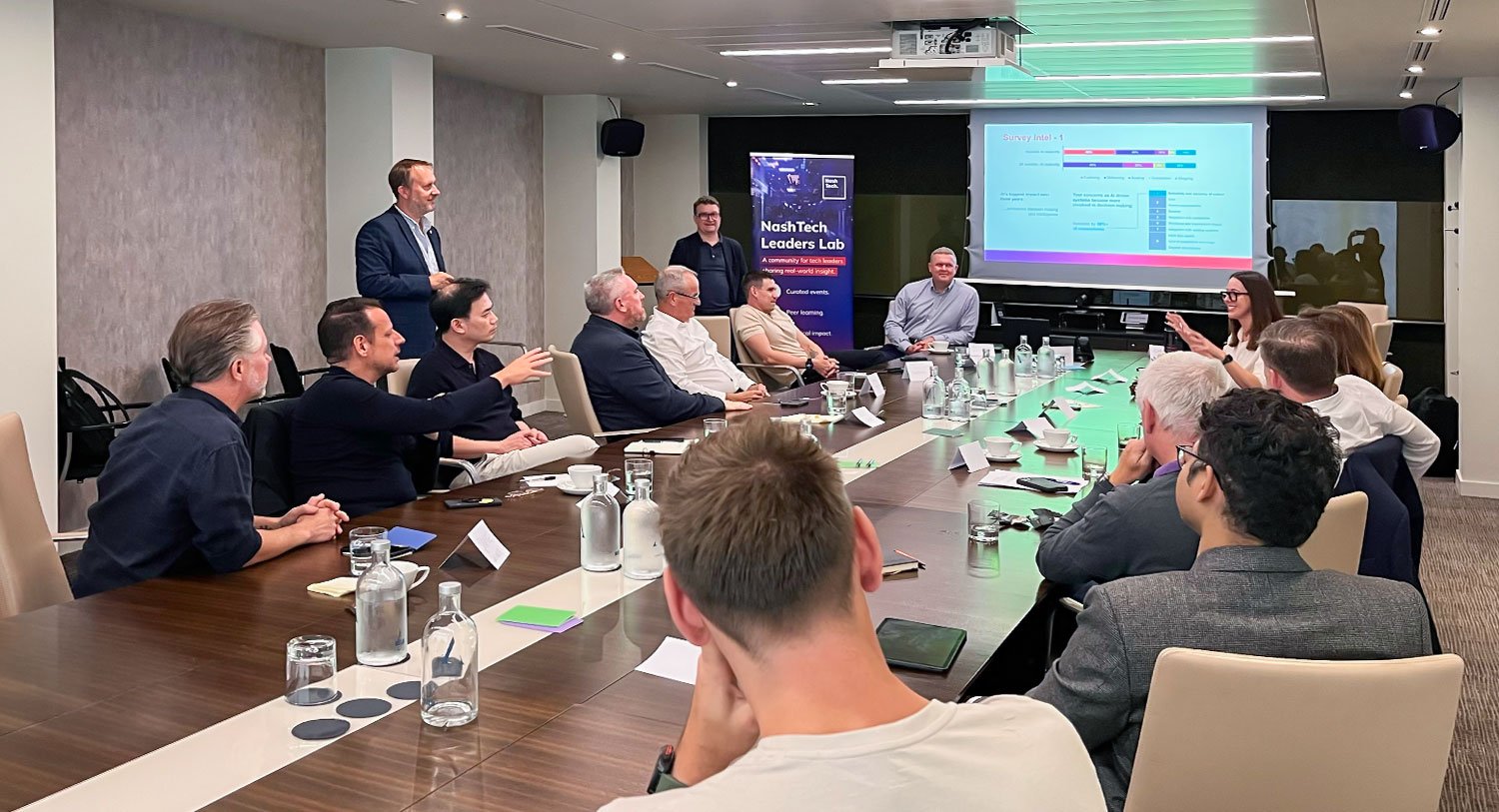
The recent panel discussion on cloud cost optimisation transcended mere cost-reduction tactics, revealing its transformative potential as a sustainable business growth strategic driver. Moving beyond the traditional “cut costs” mentality, the conversation highlighted how optimising cloud spending unlocks a multi-faceted value proposition, fostering financial agility, amplifying business impact, and maximising the return of cloud investments.
Here is an expanded summary, delving deeper into each thread:
Why optimise? It is beyond just saving money:
Optimising cloud costs transcends mere penny-pinching. It is about strategic economic management that fuels long-term business goals. Cloud experts, Vikas and Ash, challenged the misconception that cloud adoption automatically equates to cost savings. They emphasised the need for a strategic shift, where organisations move beyond cost-centric mindsets and embrace the cloud as a platform for innovation and competitive advantage. Vikas emphasised how it ensures sustainable financial agility, enabling organisations to adapt and thrive in a dynamic market. Ash further underscored the importance of aligning cloud adoption with clear goals, moving beyond a simplistic “move to the cloud” approach.
Ash’s example of online retailers utilising efficient cloud infrastructure to deliver exceptional user experiences and expand market share exemplifies this value-driven approach. This transition from cost reduction to value creation unlocks the cloud’s power to optimise expenses and propel organisations toward market leadership.
Automation: the engine of efficiency
Rahul championed automation as the driving force behind effective cost management. It empowers organisations to proactively name and address areas like unused resources and cost inefficiencies. Real-time monitoring through automated tools like AWS Cost Explorer and Azure Cost Management keeps a watchful eye on spending, while dynamic scaling based on demand ensures resources are used optimally. Automation also enforces cost governance policies, preventing overspending through right sizing and predefined resource lifecycles. Integrating cost considerations into DevOps practices through automated workflows fosters a culture of cost awareness and empowers teams to make informed decisions.
Generative AI: The ROI game changer
The panel explored the transformative potential of generative AI (artificial intelligence) in cloud cost optimisation. They highlighted its ability to enhance observability and security, working in tandem with existing tools like Azure Monitor and AWS (Amazon Web Services) CloudWatch to analyse vast datasets and name patterns, anomalies, and potential performance bottlenecks. Vikas emphasised the role of generative AI in predictive analytics, enabling organisations to forecast future expenditures and optimise resource provisioning. Rahul envisioned its potential to automate incident response and streamlining the identification and mitigation of security and performance issues. Generative AI promises to be a significant change, boosting ROI (return on investment) through its ability to optimise resources proactively and prevent costly downtime.
In our 25th Digital Leadership Report, less than 15% of organisations are prepared for the generative AI agenda.

Navigating the future landscape: A technological odyssey
The panel painted a vivid picture of the future cloud cost optimisation landscape, brimming with exciting technologies. Emerging trends like machine learning-driven cost analytics promise deeper insights and proactive recommendations, while serverless computing models are poised to reshape cost optimisation strategies with their granular billing and potential cost savings. Quantum computing holds immense potential for solving complex optimisation problems, while blockchain technology could enhance transparency and traceability through a tamper-proof ledger of financial transactions. In our Digital Leadership Report, more than 100 respondents, mainly in the technology and banking sectors, are currently implementing Quantum computing in a project.
Edge computing and decentralised cloud architectures offer new dimensions for tailoring resource usage based on geographic needs, while AI-driven continuous optimisation algorithms promise to dynamically adjust configurations for optimal performance and cost efficiency. Robust cost governance frameworks will become increasingly critical, ensuring alignment between spending and business goals. Additionally, the concept of self-healing mechanisms within cloud cost management could emerge, exploring automated processes to identify and rectify cost inefficiencies without manual intervention.
Embracing the future: A proactive approach
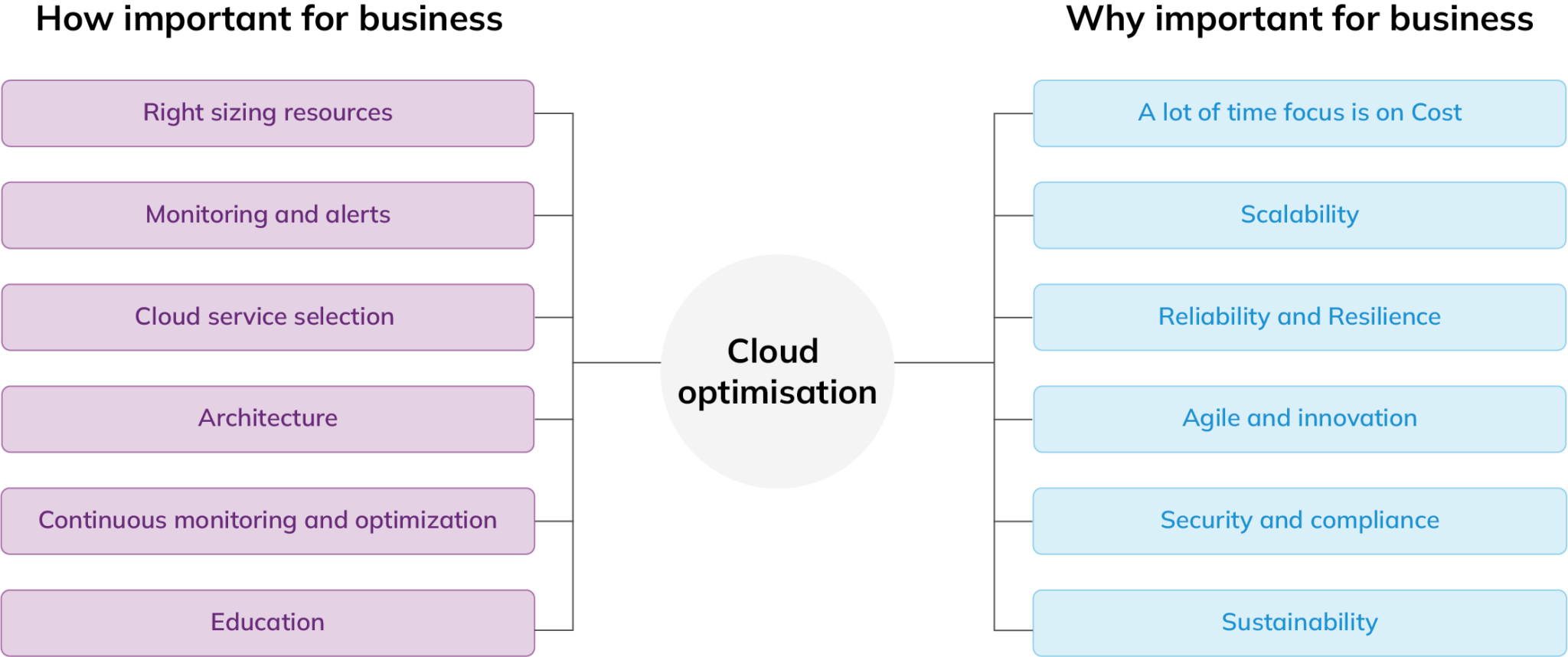
Vikas and Ash emphasised the importance of proactive preparation to effectively adapt to these upcoming trends. A robust governance model and a clear cloud strategy with an agile approach are key to navigating the ever-evolving landscape. Granular visibility into cloud spending is crucial for stakeholders to make informed decisions and support optimisation initiatives. Stakeholder education plays a vital role in fostering a culture of cost awareness and ensuring everyone understands the principles and practices of cloud cost optimisation.
Tools of the trade: Monitoring and analysing spending
Rahul provided a practical toolkit for monitoring and analysing cloud spending. He recommended leveraging a combination of native tools like AWS Cost Explorer and Azure Cost Management, third-party tools like Cloud Health and CloudCheckr, and Infrastructure as Code practices to gain deep insights. Cost anomaly detection tools like AWS Budgets and Azure Budgets can proactively identify deviations from predefined thresholds, allowing for timely intervention and cost control.
The guman-AI collaboration: A powerful synergy
Ash’s insightful contribution envisioned AI’s role in self-healing applications and automated container orchestration. This further reinforces the idea that cloud optimisation is not solely driven by technology but by a powerful synergy between human expertise and AI capabilities. Humans provide the strategic vision and context, while AI acts as the tireless engine for optimisation, learning and adapting as it goes.
Conclusion
This panel discussion served as a springboard for understanding the multifaceted world of cloud cost optimisation. By embracing innovative strategies, leveraging automation and generative AI, and preparing for the future, organisations can unlock the full potential of their cloud investments, optimise costs, and achieve sustainable financial agility. Remember, cloud cost optimisation is not a one-time endeavour, but an ongoing journey of exploration and adaptation.
By embracing a proactive approach and using the right tools and right technology partner like NashTech organisation can transform their cloud investments into a strategic asset.